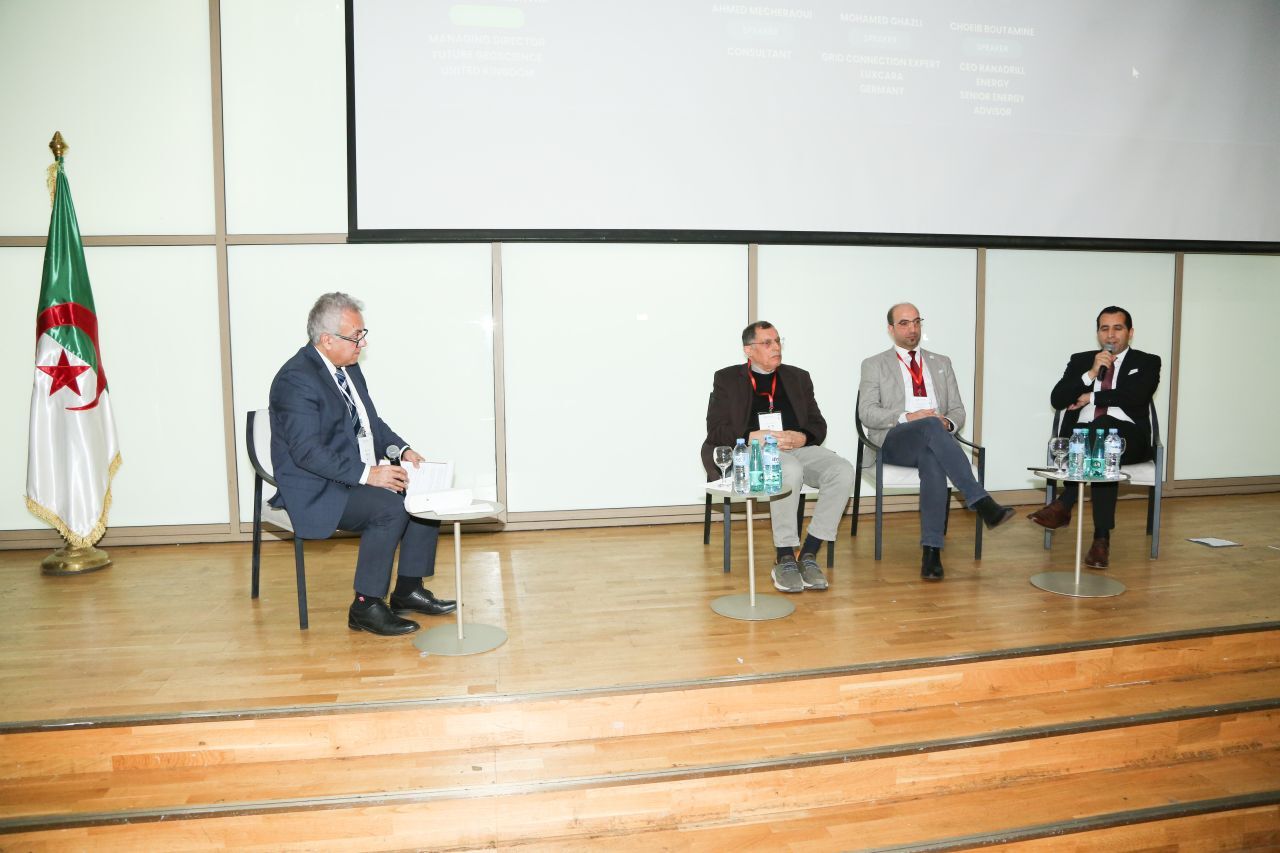
Bringing together industry stakeholders, manufacturers, and international experts, the Ranadrill Energy: Low Carbon Solutions & Technologies conference established itself as a strategic forum for reflection on decarbonization solutions.
Held over two days—3 and 4 February 2026—at the Holiday Inn Hotel in Chéraga (Algiers), discussions focused on the profound transformations reshaping the energy sector, emerging regulatory constraints, and the economic opportunities associated with decarbonization, against the backdrop of an accelerated global energy transition.
A Platform of Expertise Serving the Energy Transition
The event provided a major opportunity for energy-sector players to showcase their expertise, share best practices, and engage directly with decision-makers and project leaders involved across a wide range of industrial activities.
Within this framework, Ranadrill Energy deployed a specialized program tailored to industry professionals, with the objective of strengthening technical competencies and supporting the continuous improvement of services delivered to clients and partners.
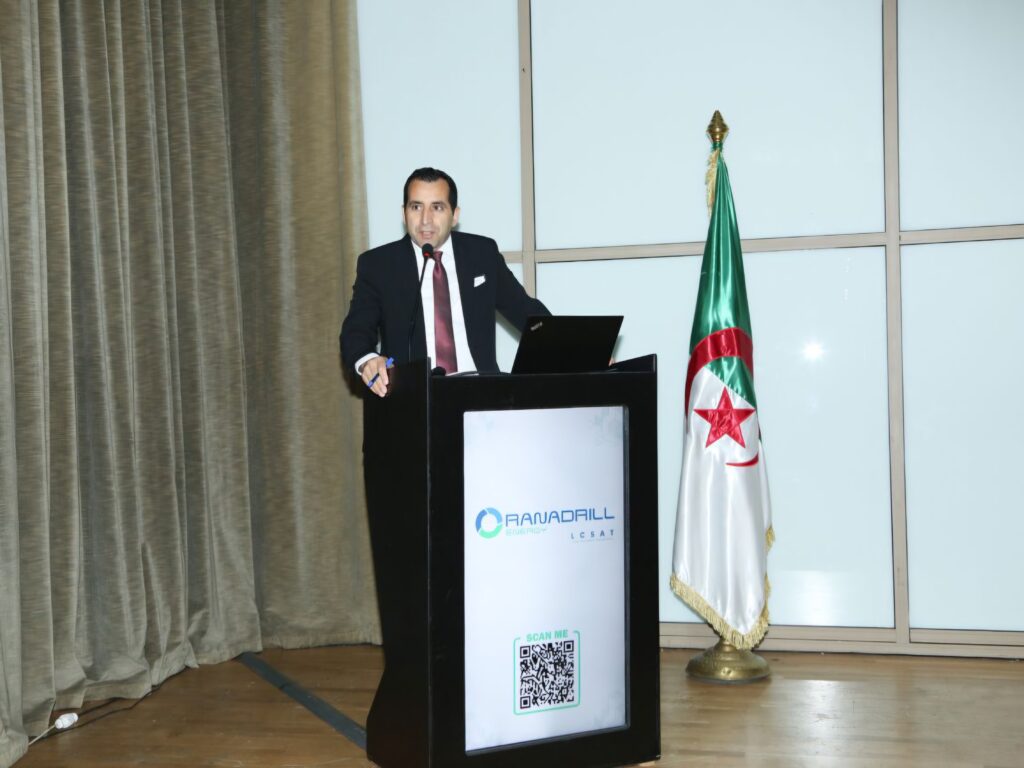
The conference also featured the participation of experts representing Sonatrach, Solar Turbines, EMI, and several other leading companies, offering complementary perspectives from across different segments of the energy value chain—from upstream oil and gas to low-carbon industrial technologies.
Decarbonization: Between Regulatory Constraint and Economic Opportunity
In a context of steadily rising global emissions, discussions highlighted a major transformation underway in the energy sector. Reducing carbon emissions is no longer solely an environmental imperative; it is increasingly emerging as a strategic economic lever.
For participants, CO₂, widely used in numerous industrial applications and in oil and gas extraction—particularly in mature fields—opens the door to a new dynamic of activities related to its capture, transport, and utilization.
This shift is taking place within an environment shaped by the emergence of new regulatory, fiscal, and commercial mechanisms, prompting companies to adapt their business models and transform environmental constraints into opportunities for sustainable value creation.
Roundtables: Examining the Technical Levers of the Transition
In this context, the roundtables organized during the event provided an in-depth examination of the technical and economic mechanisms structuring today’s energy transition. Discussions notably underscored the growing importance of carbon capture, storage, and utilization technologies (CCS, CCUS, EOR), now regarded as industrial solutions capable of combining environmental performance with economic viability.
The exchanges also emphasized the strategic role of natural gas in European and Asian energy mixes, serving as a stabilizing source amid the intermittency of renewable energies. At the same time, technological innovation was presented as a decisive factor in improving the efficiency of oil and gas exploration. Meanwhile, understanding carbon markets and CBAM regulations is now seen as a central issue for the competitiveness of exporting companies.
High-Level Panels: Towards a Systemic Approach to the Energy Sector
Building on these discussions, the panels held on 4 February broadened the debate toward a more global and strategic vision. Speakers stressed the need to optimize natural gas utilization through better integration of renewable energies and targeted investments in petrochemicals and conversion technologies.
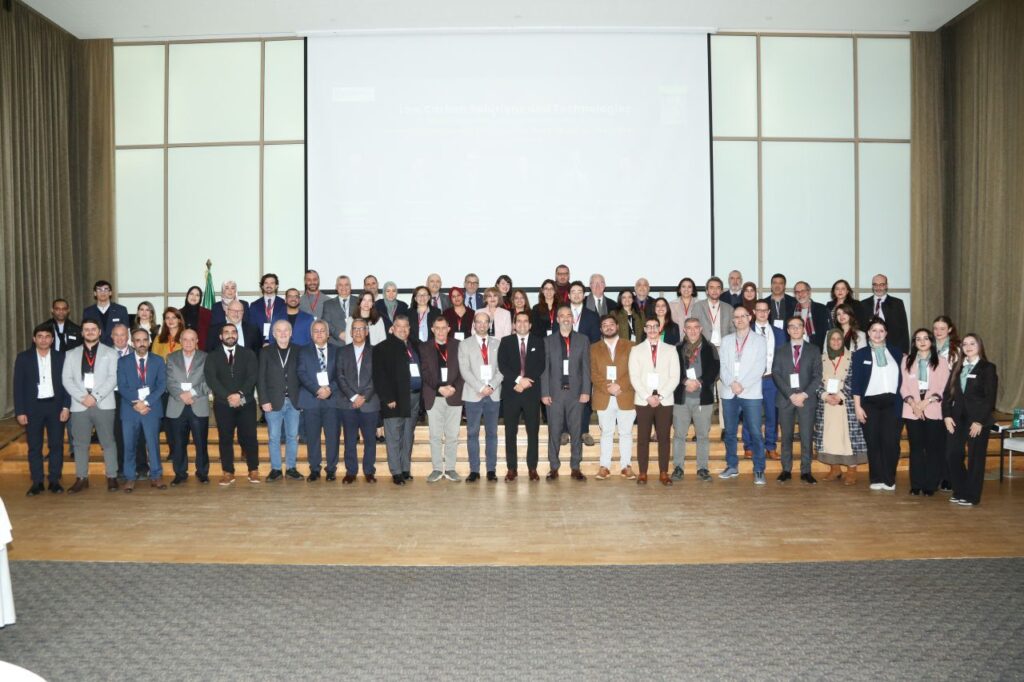
Decarbonization was thus analyzed as an opportunity for economic transformation across the entire oil and gas value chain, from exploration to end consumption. Discussions also addressed ways to enhance production competitiveness through innovative drilling and well-integrity solutions, before turning to the technical, financial, and industrial challenges associated with the large-scale development of green hydrogen, identified as a strategic pillar of future energy pathways.
Decarbonization: Insights from Experts
Speaking at the event, Mohamed Ghazli , Grid Connection Expert at Luxcara, highlighted the importance of multidisciplinary exchanges:
“The event was both highly interesting and useful. The experts present were of a very high caliber, each bringing experience from their company or industry. The discussions allowed for the presentation of concrete methods, plans, and programs, while also offering cross-sectoral perspectives on the challenges specific to different industries.”
He also emphasized the role of networking, considering it an essential lever to “better understand internal industrial structures, gain a comprehensive view of the challenges ahead, and deepen discussions around decarbonization—particularly through concrete emission-reduction strategies and the integration of sustainable solutions into industrial processes.”
For his part, Simon Pierar, Market Strategy Manager at Solar Turbines, highlighted the regulatory and technological issues reshaping the energy landscape:
“We took part in workshops on major topics such as carbon capture and new European regulations likely to impact Algerian gas exports to Europe. Discussions also addressed the growing impact of data centers on demand for gas turbines and the consequences for our historical clients, particularly in the oil sector and local industries.”
He further underlined the role of gas turbines in reducing greenhouse gas emissions, highlighting solutions incorporating biogas and hydrogen:
“For Algeria, the potential in low carbon is considerable thanks to solar energy, particularly in the Saharan regions. However, the intermittency of these energies requires reliable and low-emission backup solutions—a role that hydrogen- and biogas-compatible gas turbines can effectively play.”
An Energy Transition in the Making
Ultimately, Ranadrill Energy: Low Carbon Solutions & Technologies has positioned itself as a strategic platform for dialogue and forward-looking analysis, where the energy transition is addressed simultaneously as a technological challenge, a regulatory requirement, and an economic opportunity. By bringing together industrial players, experts, and decision-makers, the event contributes to shaping the contours of a more sustainable energy model—one grounded in innovation, carbon valorization, and the gradual integration of low-carbon solutions into industrial strategies.